“chemical reactions” search results (500)
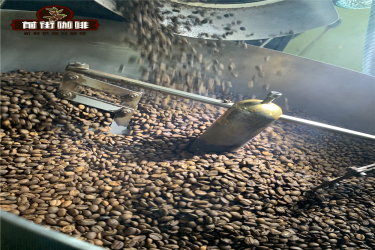
Boutique Coffee Science understanding Roasting Coffee roasting degree roasting Coffee percentage what do you think
The average chemical composition of raw coffee beans is as follows: water 12%, nitrogen 12%, fat 12%, sugar and dextrin (dextrine) 10%, other non-nitrogen substances 18%, dust 4%, tannin 6.7%, caffeine 1.2%, coffee essential oil 0.1%. Of course, these data are not
2023-03-16 Coffee knowledge boutique coffee science coffee roasting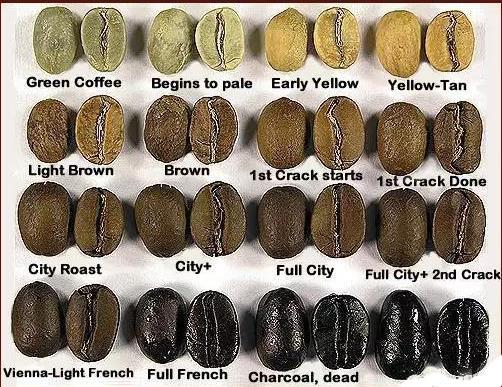
The common sense about coffee roasting, the roasting of coffee beans, the mellow taste of coffee
What is baking? What is the definition of baking? Generally speaking, the so-called coffee roasting (coffee roasting) refers to the process that through heating the raw beans, a series of physical and chemical reactions take place inside and outside the coffee beans, and in this process, the sour, bitter, sweet and other flavors of the coffee are formed, forming mellowness and hue, and converting the raw beans into dark brown beans. The baked one is heavy
2016-01-16 About coffee roasting those common sense understanding coffee beans mellow taste
The basics of coffee roasting
one。 The meaning of baking 1. The definition of roasting so-called coffee roasting (coffee roasting) refers to the heating of raw beans to promote a series of physical and chemical reactions inside and outside of coffee beans, and in this process to produce a variety of sour, bitter, sweet and other flavors of coffee, forming mellowness and hue, and converting raw beans into dark brown beans. two。 The importance of baking is affecting a cup of coffee.
2014-09-11 Coffee knowledge coffee roasting roasting basics
What is Crema?
What is Crema? How did it come about? During the roasting process, a large amount of carbon dioxide is produced in the coffee beans, most of which will be emitted during the cooling process, a few will continue to be kept inside, and the grinding will release these gases, so coffee must be made as soon as possible after grinding.
2014-08-30 Coffee knowledge what is Crema
The origin and formation of the sour taste of roasted coffee
Raw coffee beans contain sour ingredients such as citric acid, malic acid, quinic acid and phosphoric acid, but these are not the main sources of sour taste when drinking coffee. The acid produced during baking is the main source of sour taste. Raw beans produce a series of chemical reactions during baking to form new acids. The most important thing is that chlorogenic acid is decomposed to form quinic acid and oligosaccharides.
2014-09-25 Coffee knowledge coffee roasting coffee sour
Coffee Basics Coffee bitterness comes from processing
In western countries, people drink a cup of coffee every morning. In order to cover up the bitterness of coffee, some milk powder and granulated sugar are often added. Why is coffee bitter? What seems like a simple question has puzzled scientists for decades. Now, scientists have narrowed their search to two chemical molecules. in the American Chemical
2014-11-14 coffee knowledge coffee basics coffee bitterness coffee processing
Espresso (espresso) is the essence of coffee beans.
In terms of pure sensory entertainment, there are few experiences in daily life that can be comparable to a good cup of coffee. The charming fragrance of a cup of hot, smoking coffee just brewed from freshly roasted beans can pull sleeping people out of bed and lead passers-by into the cafe. There are millions of people around the world who are not caused by caffeine in their coffee for a while.
2015-06-10 Concentrated coffee espresso coffee beans essence expression simplicity senses
Coffee common sense espresso is the essence of coffee
In terms of pure sensory entertainment, there are few experiences in daily life that can be comparable to a good cup of coffee. The charming fragrance of a cup of hot, smoking coffee just brewed from freshly roasted beans can pull sleeping people out of bed and lead passers-by into the cafe. There are millions of people around the world who are not caused by caffeine in their coffee for a while.
2014-12-11 Coffee common sense concentration essence expression simplicity senses entertainment in terms of daily life
General knowledge of roasting of fine coffee beans by hand
When it comes to companionship, the layman always thinks it is difficult. But as long as you can really grasp a few key points, it will be very difficult not to return. At the beginning, you may not be able to stir-fry well, but after you are proficient, you can skillfully add or subtract Chengdu according to your own preferences. Here will introduce to you the manual method of using hand filter: 1. Buy a filter with a handle. The best choice of raw coffee beans is Central and South American.
2014-12-09 Boutique coffee beans baking common sense manual lifting layman total
Coffee beans roasting process Coffee bitterness comes from processing
In western countries, people drink a cup of coffee every morning. In order to cover up the bitterness of coffee, some milk powder and granulated sugar are often added. Why is coffee bitter? What seems like a simple question has puzzled scientists for decades. Now, scientists have narrowed their search to two chemical molecules. in the American Chemical
2015-10-13 coffee beans roasting process coffee bitterness from processing western countries people
Coffee common sense Why is plain coffee bitter?
Today, several friends have expressed to varying degrees that they do not adapt to the bitter taste of pure coffee. I believe many people feel the same way, but why is pure coffee bitter? A seemingly simple problem has been bothering scientists for decades. Now, scientists have narrowed down their research and targeted two chemical molecules. You have a cup of coffee, actually.
2015-03-12 Coffee common sense why bitter today there are several friends different degrees table
Coffee roasting coffee bitterness comes from the processing process
In western countries, people drink a cup of coffee every morning. In order to cover up the bitterness of the coffee, they often add some milk powder and sugar. But why is coffee bitter? A seemingly simple problem has been bothering scientists for decades. Now, scientists have narrowed down their research and targeted two chemical molecules. Chemistry in the United States
2014-09-28 Coffee roasting coffee bitterness coffee encyclopedia
Coffee Basics Common Sense Coffee Bitterness comes from the processing process
In western countries, people drink a cup of coffee every morning. In order to cover up the bitterness of coffee, some milk powder and granulated sugar are often added. Why is coffee bitter? What seems like a simple question has puzzled scientists for decades. Now, scientists have narrowed their search to two chemical molecules. in the American Chemical
2015-05-28 coffee basics common sense bitterness from processing process western countries people per
Coffee common sense Coffee bitterness comes from the processing process
In western countries, people drink a cup of coffee every morning. In order to cover up the bitterness of the coffee, they often add some milk powder and sugar. But why is coffee bitter? A seemingly simple problem has been bothering scientists for decades. Now, scientists have narrowed down their research and targeted two chemical molecules. Chemistry in the United States
2014-09-16 Coffee knowledge coffee common sense coffee bitterness coffee processing
The Basics of Roasting
I. The so-called coffee roasting (coffee roasting) refers to the process of converting raw beans into dark brown raw beans by heating the raw beans to cause a series of physical and chemical reactions inside and outside the coffee beans, and in the process to generate various flavors such as acid, bitterness, and sweetness of coffee, forming alcohol and color. 2. The importance of baking affects a cup of coffee
2014-11-18 Coffee Knowledge Fine Coffee Studies Coffee Roasting
Coffee basic knowledge Coffee bitterness comes from the processing process
In western countries, people drink a cup of coffee every morning. In order to cover up the bitterness of the coffee, they often add some milk powder and sugar. But why is coffee bitter? A seemingly simple problem has been bothering scientists for decades. Now, scientists have narrowed down their research and targeted two chemical molecules. Chemistry in the United States
2014-12-10 Coffee basics common sense bitterness from processing process Western countries people every
Coffee roasting Basics of roasting
I. The so-called coffee roasting (coffee roasting) refers to the process of converting raw beans into dark brown raw beans by heating the raw beans to cause a series of physical and chemical reactions inside and outside the coffee beans, and in the process to generate various flavors such as acid, bitterness, and sweetness of coffee, forming alcohol and color. 2. The importance of baking affects a cup of coffee
2014-09-27 Coffee knowledge Coffee roasting Roasting basics
How to preserve coffee beans or coffee powder?
Can coffee beans and coffee powder be refrigerated or frozen in the refrigerator? Frozen coffee beans and coffee powder will attract moisture, which will freeze on the surface of the coffee beans. at the same time, there are many pores in the roasted coffee beans, and freezing will seal the water, thus ending the natural chemical reaction of the coffee beans. the flavor of thawed coffee beans or coffee powder is far less than that of coffee powder at room temperature.
2014-06-30 Coffee beans coffee powder preserved coffee beans
High-quality coffee common sense coffee bitterness comes from the processing process
In western countries, people drink a cup of coffee every morning. In order to cover up the bitterness of the coffee, they often add some milk powder and sugar. But why is coffee bitter? A seemingly simple problem has been bothering scientists for decades. Now, scientists have narrowed down their research and targeted two chemical molecules. Chemistry in the United States
2014-11-20 Coffee knowledge coffee common sense coffee bitterness
Why is coffee bitter? the bitterness of coffee comes from the processing process.
In western countries, people drink a cup of coffee every morning. In order to cover up the bitterness of the coffee, they often add some milk powder and sugar. But why is coffee bitter? A seemingly simple problem has been bothering scientists for decades. Now, scientists have narrowed down their research and targeted two chemical molecules. Chemistry in the United States
2014-09-29 Coffee knowledge coffee bitterness coffee encyclopedia coffee processing